About the Project
LOD Gabriel García Márquez: A Journey Through Gabo’s World is a project that brings together both objects produced by Gabriel García Márquez and materials related to his figure, with the goal of building a Linked Open Data model to represent and visualize knowledge surrounding his legacy. In addition to documents created by the author, complementary archives are included that, although not produced by him, engage in a dialogue with his work and influence, and will be described in greater detail later.
The project seeks to explore how García Márquez captured the complexity of Latin America and how his work continues to have a profound resonance on a global scale. His Caribbean identity, his critical perspective on Colombia, his commitment to Latin American unity, and his international projection as a literary and political figure are interwoven in this curatorial approach.
Ten distinct elements related to Gabriel García Márquez were selected to create a cohesive narrative about the Colombian writer. Each item was carefully chosen for its relevance, diversity, and connection to different people, places, periods, and concepts in his life and work.
Below are brief descriptions and links for further exploration of each item.
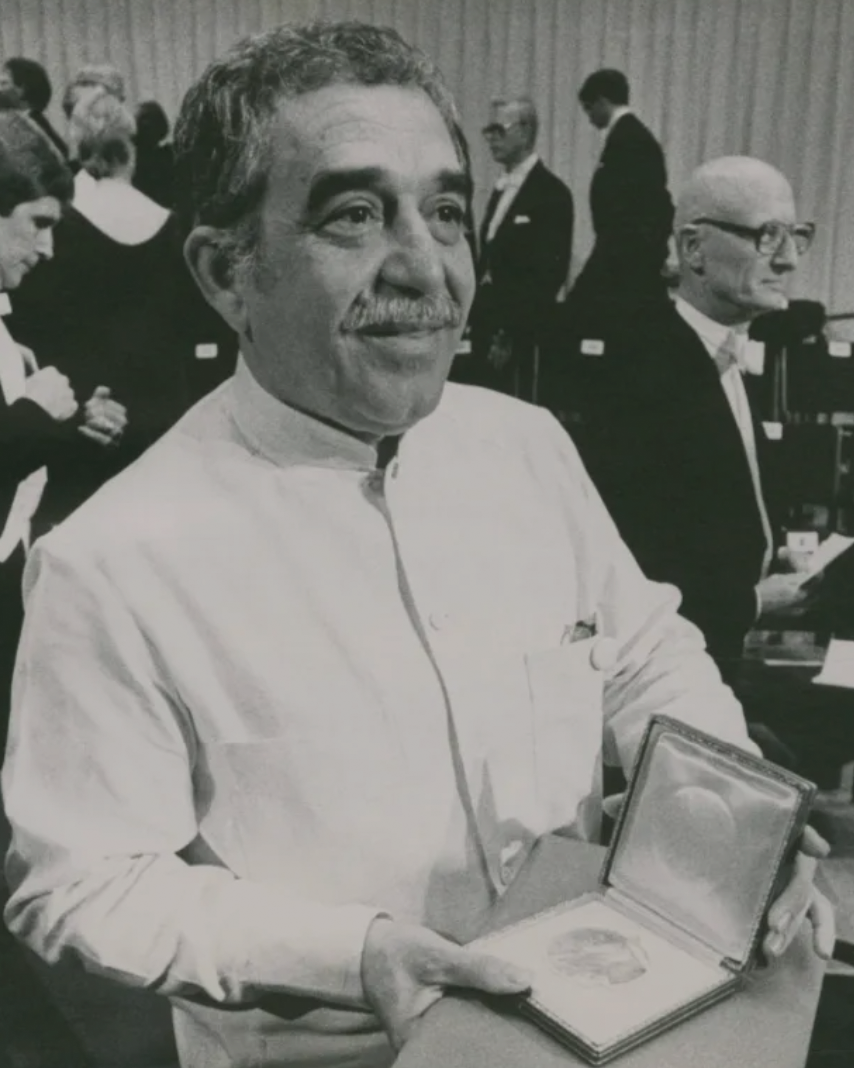
Nobel Speech Recording
Gabriel García Márquez's Nobel speech reflects on Latin America's history, suffering, and resilience, calling for dignity, justice, and a new narrative beyond magical realism to honor its complex reality… (more)
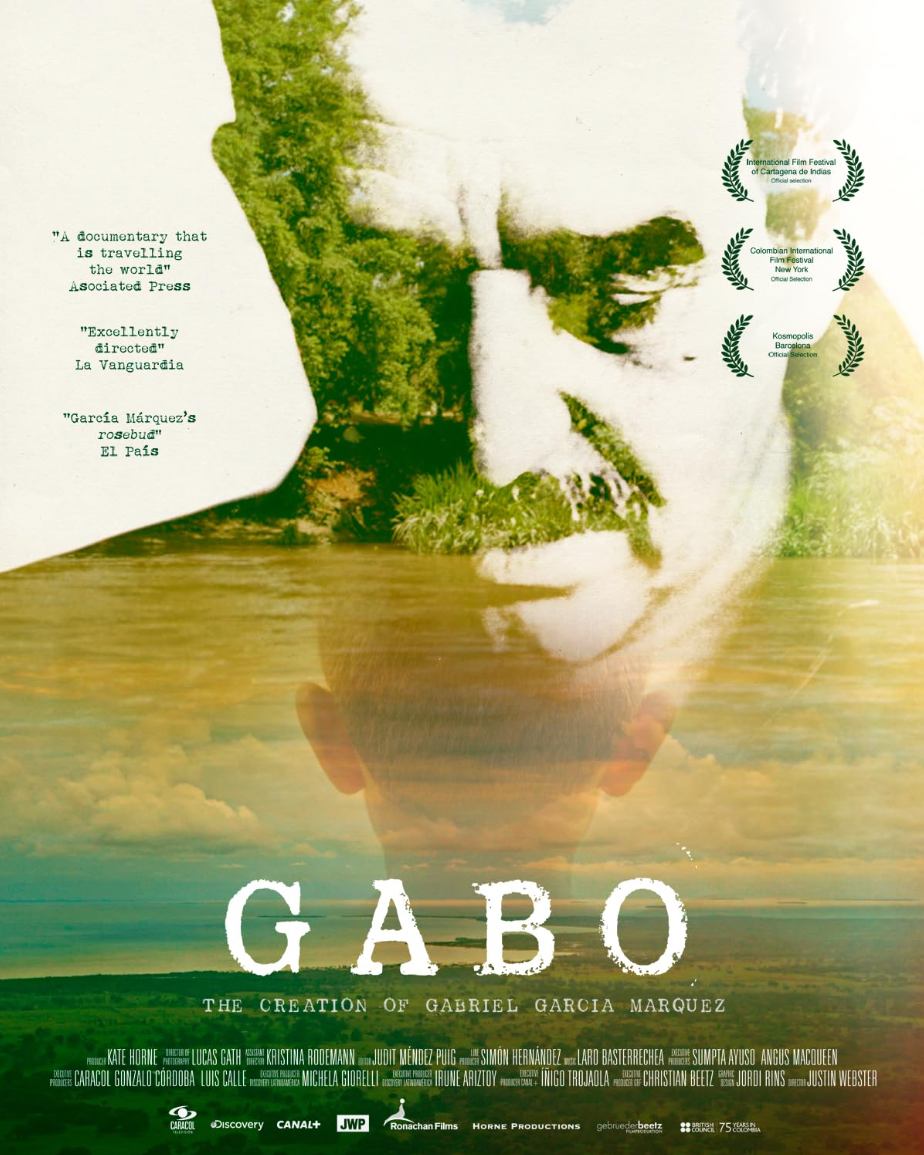
Gabo, The Magic of Reality
A compelling tale of human imagination, tracing Gabriel García Márquez’s life and work—“Gabo” to Latin America—with the intrigue of an investigation and the richness of literary discovery… (more)
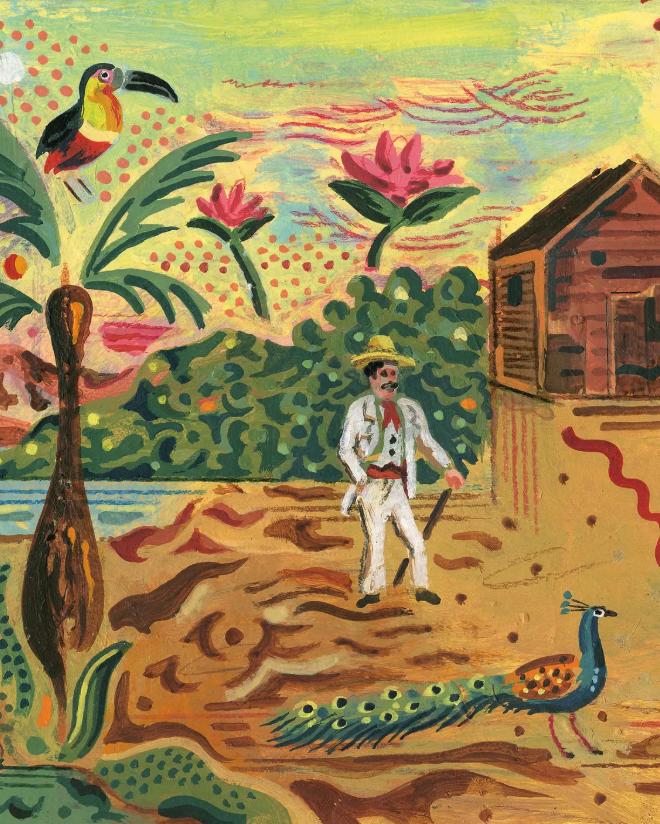
Magic in Service of Truth
The article explores how Gabriel García Márquez’s fiction, often labeled as magical realism, is deeply rooted in the political and social realities of Latin America, blending imagination with historical truth… (more)
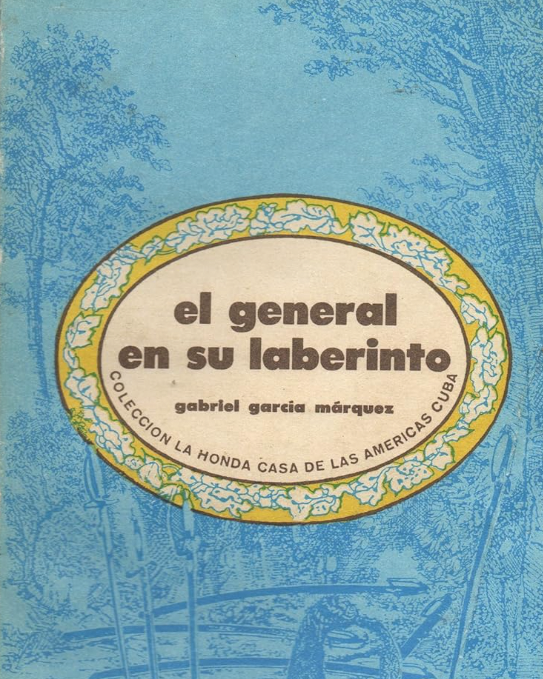
Novel "The General in His Labyrinth"
The manuscript is a historical novel that follows Simón Bolívar’s final journey, portraying him as a disillusioned, aging hero grappling with lost ideals, political betrayal, and the fading light of legacy… (more)
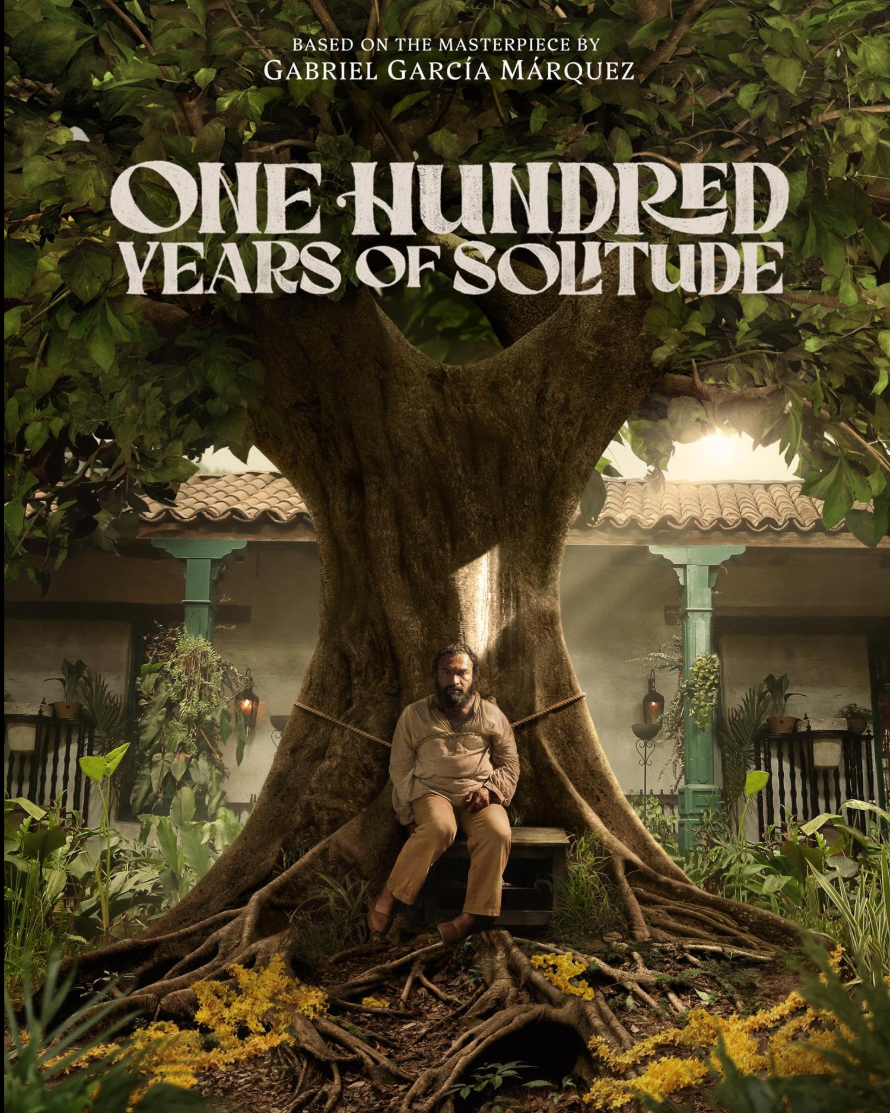
Series One Hundred of Solitude
A visually rich adaptation of García Márquez’s iconic novel, this series follows the Buendía family across generations in the mythical town of Macondo, intertwining magic, history, love, and destiny… (more)
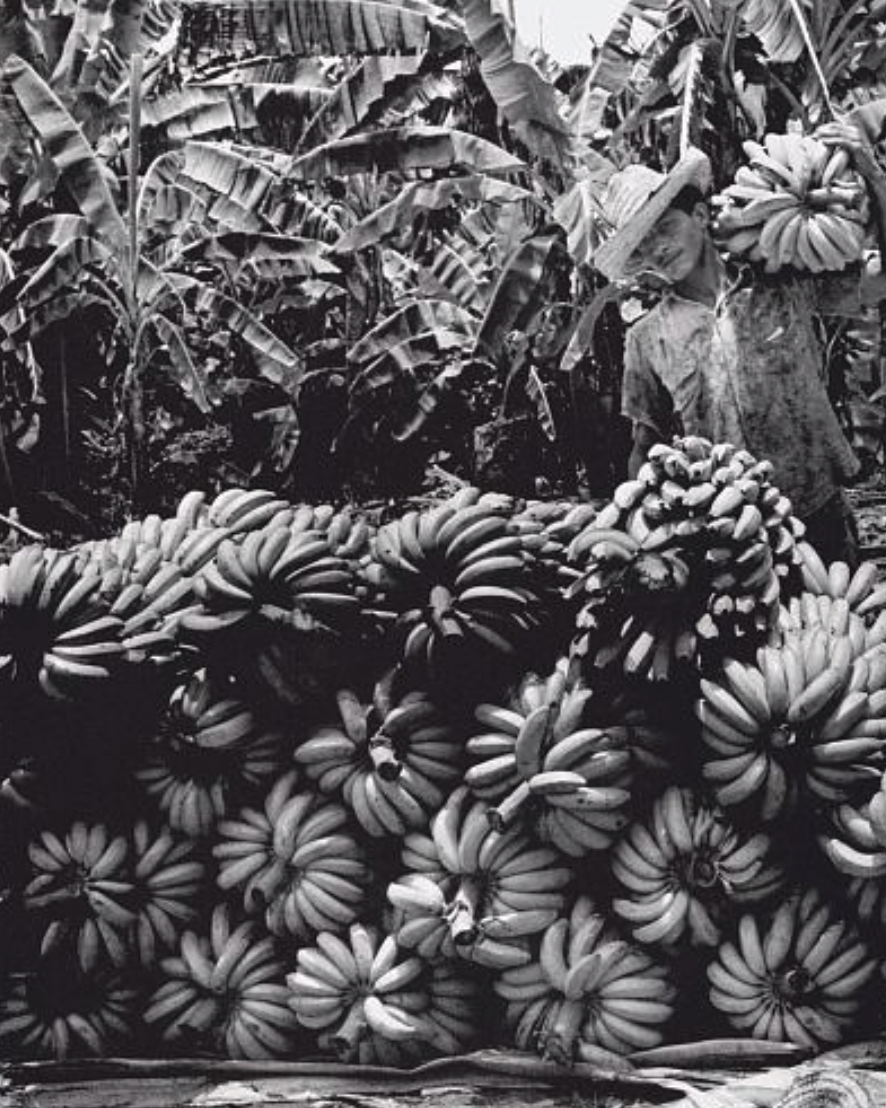
Zona Bananera
A 1939 photograph by Leo Matiz showing a worker harvesting bananas in northwest Colombia. This powerful image captures labor conditions on plantations in the historical context of the Banana Massacre… (more)
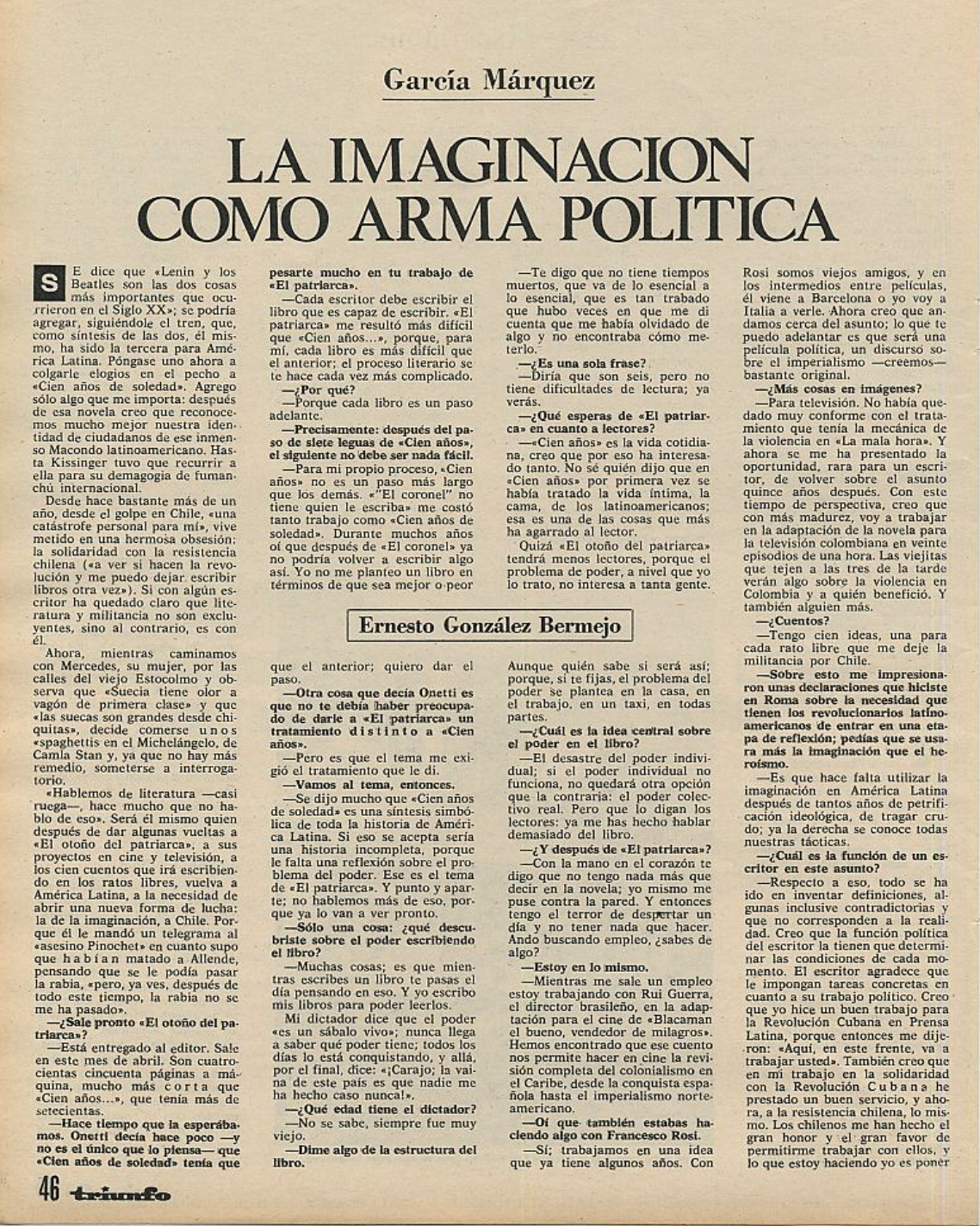
La imaginación como arma política
An interview with Gabriel García Márquez exploring his views on literature, politics, and imagination, highlighting Latin American identity and resistance through One Hundred Years of Solitude and The Autumn of the Patriarch… (more)
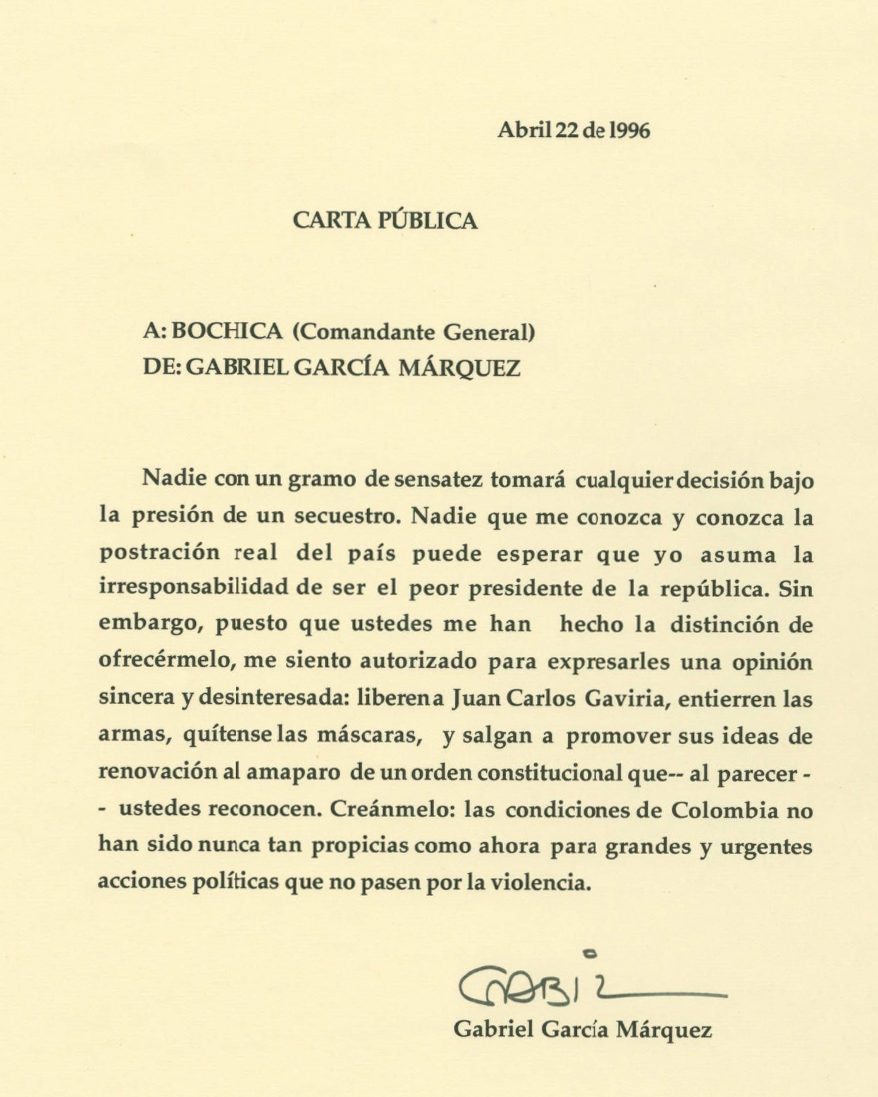
Carta a Bochica
A public letter from Gabriel García Márquez to Colonel Bochica urging the release of Juan Carlos Gaviria, calling for an end to violence and peaceful political renewal within Colombia’s constitutional framework… (more)
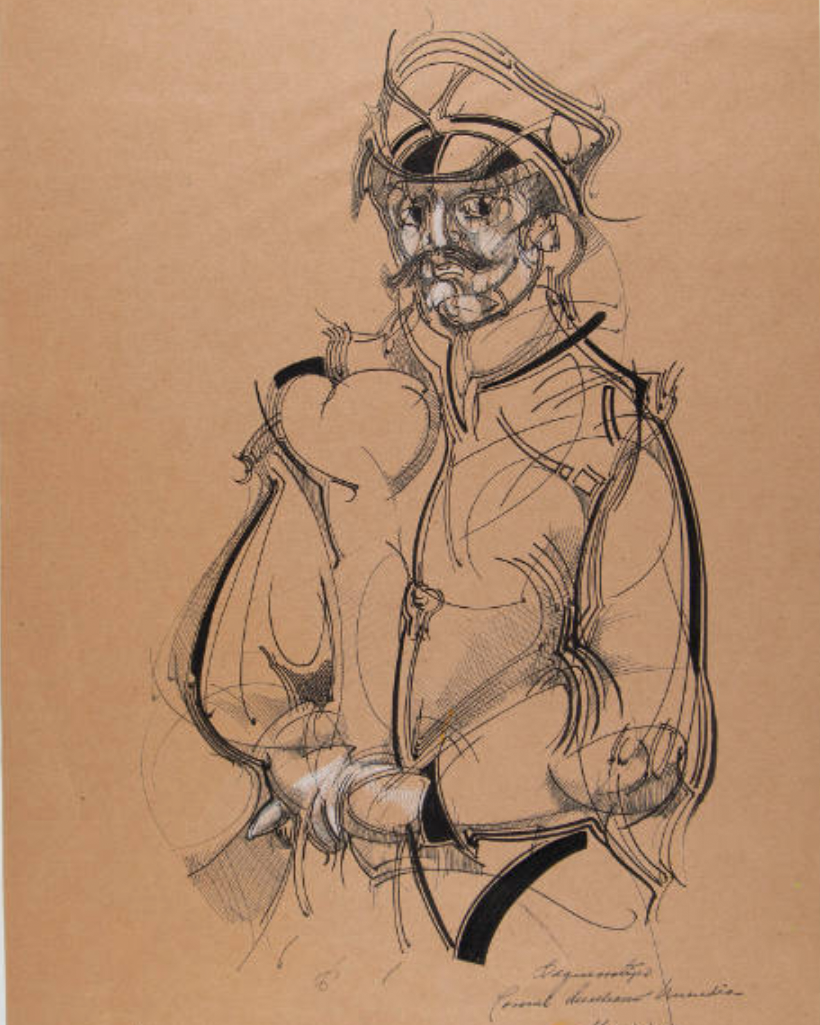
Aureliano Buendia Illustration
An ink drawing by Melecio Galván depicting Colonel Aureliano Buendía (One Hundred Years character), blending surrealism and political critique to explore militarism and repression, inspired by Mexico’s 1968 context… (more)
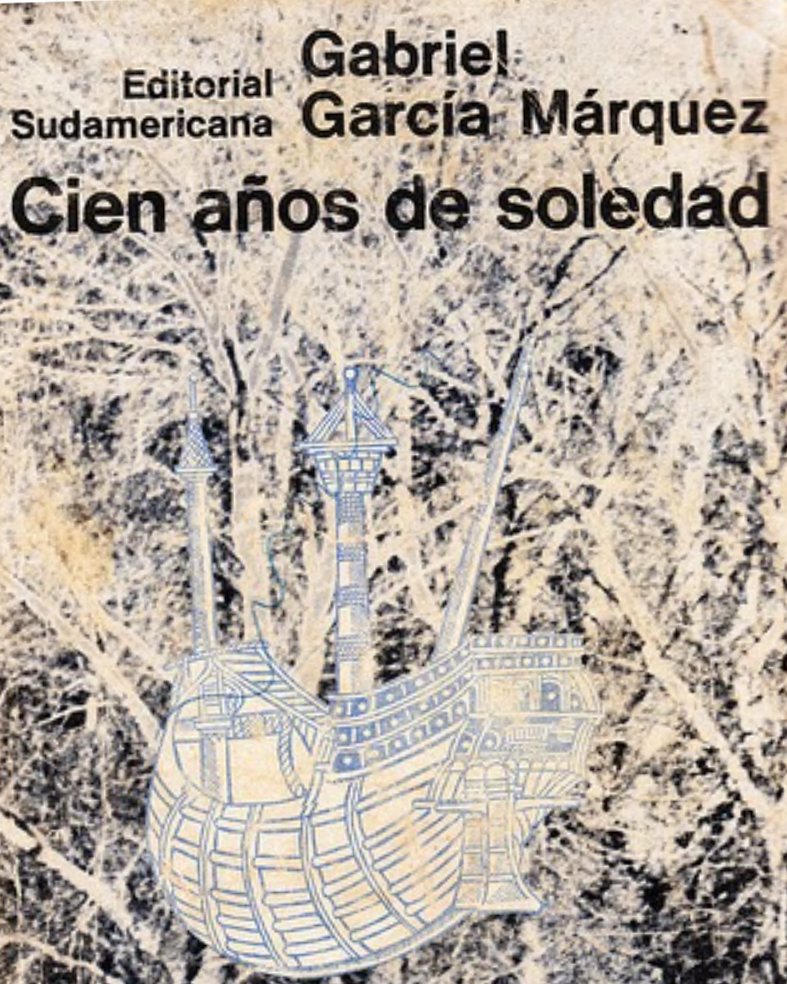
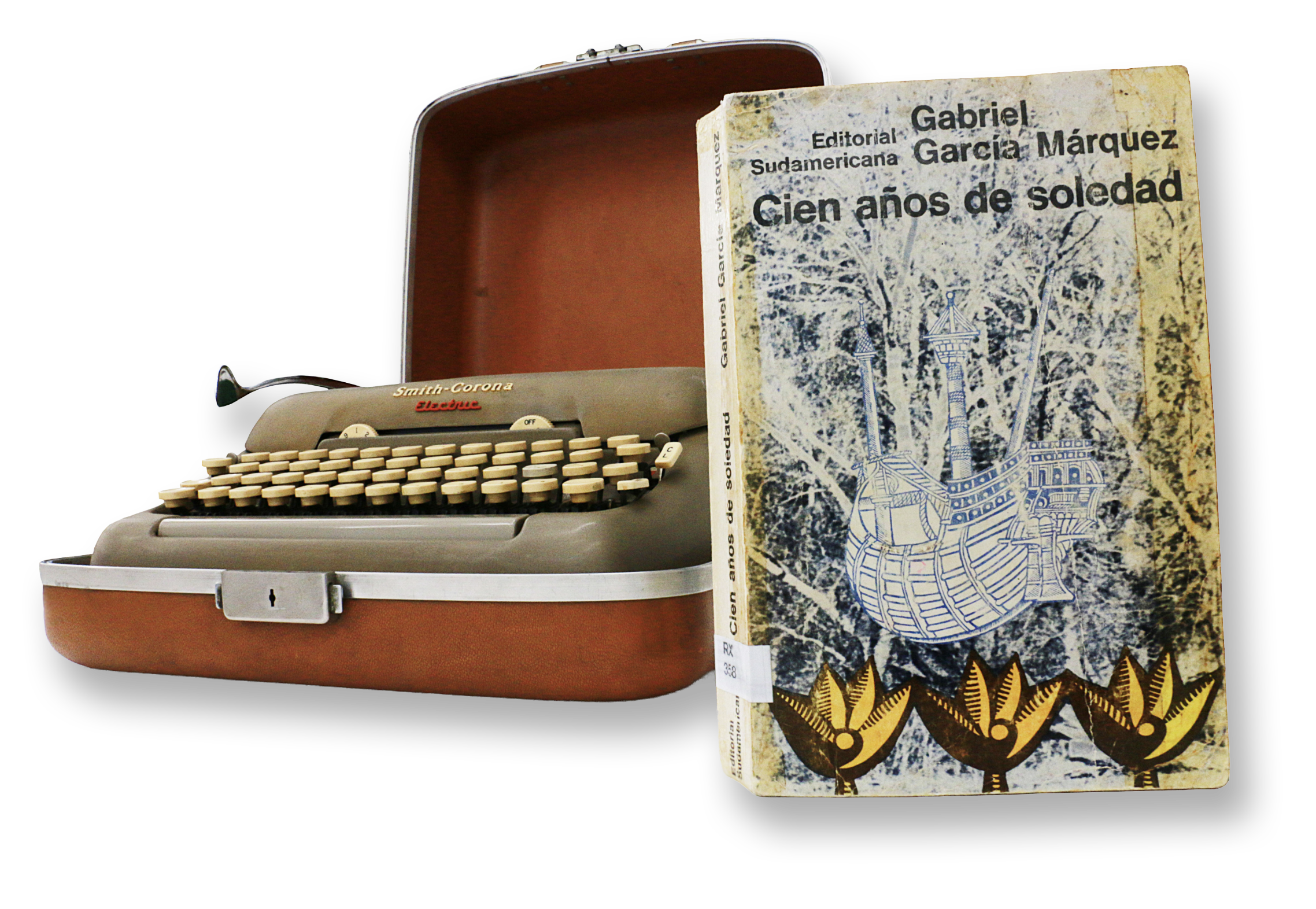
Novel "Cien Años de Soledad"
The original manuscript of One Hundred Years of Solitude traces the Buendía family’s multigenerational story in the magical town of Macondo, blending reality and fantasy to explore themes of fate, solitude, history, and Latin American identity… (more)
Get to know Gabo
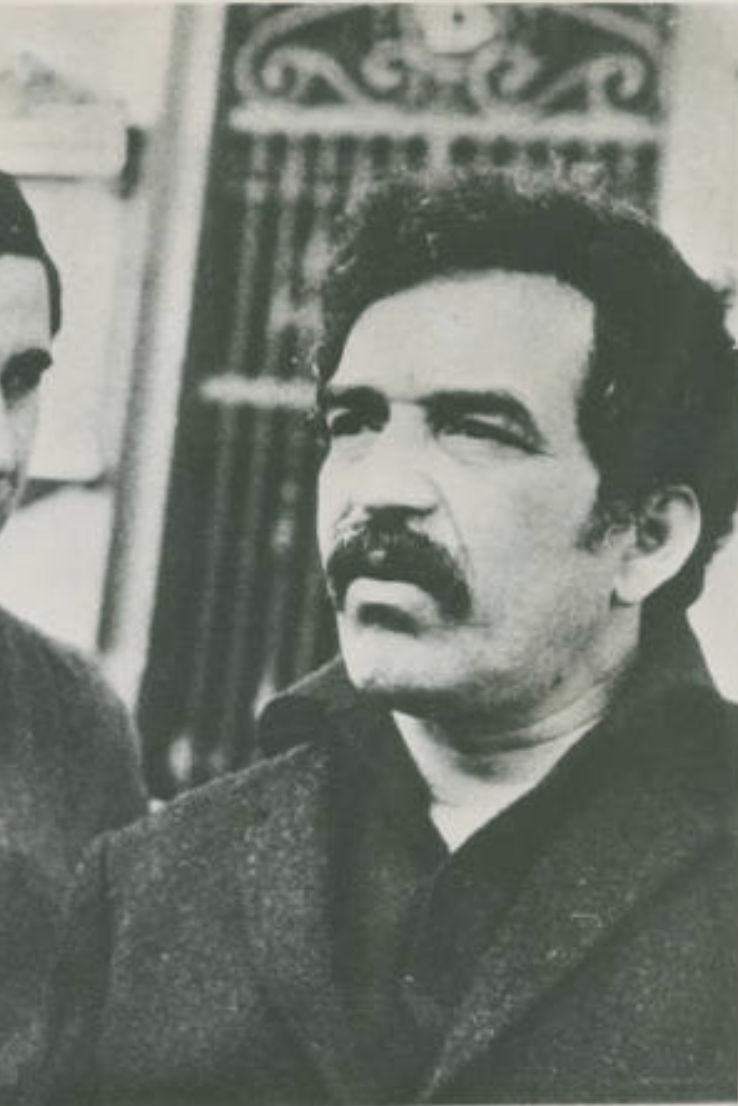
About Gabriel García Márquez
Gabriel García Márquez, born in Aracataca, Colombia, in 1927 and passed away in Mexico in 2014, was a writer, screenwriter, and journalist globally recognized for his work One Hundred Years of Solitude and for being one of the central figures of the so-called Latin American Boom. His style, characterized by magical realism and a profound exploration of the history, identity, and memory of Colombia and Latin America, earned him the Nobel Prize in Literature in 1982, in recognition of his extensive and prolific literary career.
For over sixty years of intellectual production, García Márquez—affectionately known as Gabo—published newspaper articles, short stories, novels, screenplays for film and television, prologues, letters, and contributions to various compilations. His works have been translated into more than forty languages and are read worldwide.
Gabo’s childhood in his maternal grandparents’ home in Aracataca left a lasting mark on his literary imagination. His grandfather, a war veteran, told him political and social stories, such as the banana massacre; his grandmother, on the other hand, nurtured his world with fantastic tales. This blend of the real and the imaginary gave rise to a unique poetic style that runs throughout his work.
The solitude of Latin America
Latin America neither wants, nor has any reason, to be a pawn without a will of its own; nor is it merely wishful thinking that its quest for independence and originality should become a Western aspiration. However, the navigational advances that have narrowed such distances between our Americas and Europe seem, conversely, to have accentuated our cultural remoteness. Why is the originality so readily granted us in literature so mistrustfully denied us in our difficult attempts at social change? Why think that the social justice sought by progressive Europeans for their own countries cannot also be a goal for Latin America, with different methods for dissimilar conditions?
No: the immeasurable violence and pain of our history are the result of age-old inequities and untold bitterness, and not a conspiracy plotted three thousand leagues from our home. But many European leaders and thinkers have thought so, with the childishness of old-timers who have forgotten the fruitful excess of their youth as if it were impossible to find another destiny than to live at the mercy of the two great masters of the world. This, my friends, is the very scale of our solitude.
Gabriel García Márquez — Nobel Lecture, 8 December, 1982
On a day like today, my master William Faulkner said, “I decline to accept the end of man”. I would fall unworthy of standing in this place that was his, if I were not fully aware that the colossal tragedy he refused to recognize thirty-two years ago is now, for the first time since the beginning of humanity, nothing more than a simple scientific possibility.
Faced with this awesome reality that must have seemed a mere utopia through all of human time, we, the inventors of tales, who will believe anything, feel entitled to believe that it is not yet too late to engage in the creation of the opposite utopia. A new and sweeping utopia of life, where no one will be able to decide for others how they die, where love will prove true and happiness be possible, and where the races condemned to one hundred years of solitude will have, at last and forever, a second opportunity on earth.
Gabriel García Márquez — Nobel Lecture, 8 December, 1982
LOD Gabriel García Márquez
Final project for the Information Science & Cultural Heritage course, part of the Master's in Digital Humanities and Digital Knowledge at the University of Bologna. All information is available in the GitHub repository.